






Cryptocurrency isn’t just a trend anymore it’s become part of how many people invest, send money, and even travel with their finances. But as more people jump into crypto, one thing has also grown quietly in the background security risks.
If you’ve spent even a little time in this space, you’ve probably heard stories about people losing access to their wallets or getting tricked into giving away sensitive details. These kinds of crypto hacks aren’t rare anymore they’re happening every day, often in ways that don’t look obvious at first.
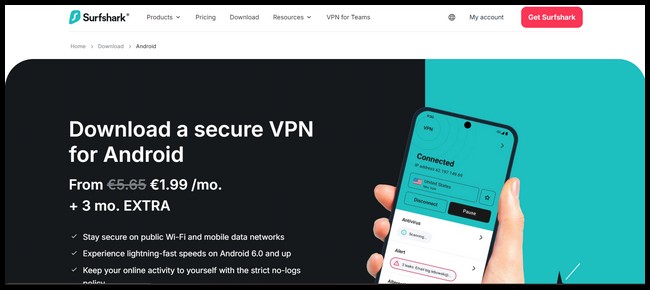
That’s one reason VPN tools are getting more attention lately. Whether someone uses a desktop service or a simple VPN APK on their mobile device the goal is usually the same adding an extra layer of privacy and protection while browsing online.
What Are Crypto Hacks, Really?
When people hear the term “hacking,” they often imagine someone breaking into complex systems. But in crypto, things are usually much simpler and that’s what makes them dangerous.
Most crypto hacks don’t involve breaking blockchains. Instead, they target users directly. A fake login page that looks real. An email that feels urgent. A mobile app that seems legitimate but isn’t.
Before you know it, access is gone.
And the worst part? There’s usually no way to reverse it. Once funds are transferred, they’re gone for good.
Why Do Crypto Users Get Targeted So Easily?
There are a couple of reasons why crypto users are such easy targets.
First, transactions are irreversible. That alone makes crypto attractive to attackers. Second, many users are still learning. They might not recognize warning signs like suspicious links or unsecured networks.
Something as simple as logging into your wallet while using public Wi-Fi at a café can expose your data without you even noticing.
It’s not always about doing something “wrong.” Sometimes it’s just about not knowing where the risk is.
That’s why many mobile users now install a VPN APK before accessing crypto apps or exchanges on Android devices, especially while traveling or using public networks.
So, Where Does a VPN Come In?
A VPN (Virtual Private Network) works quietly in the background. You won’t see it doing much but that’s kind of the point.
Instead of sending your data directly over the internet, it encrypts everything and routes it through a secure server. Think of it like putting your information inside a locked tunnel before it travels anywhere.
At the same time, it hides your actual IP address. So even if someone tries to track your activity, they won’t see your real location or identity.
How VPNs Actually Help Reduce Crypto Risks?
Let’s keep this practical.
If you’re accessing your crypto wallet, logging into an exchange, or even just browsing related platforms, your data is constantly moving between your device and the internet. Without protection, that data can be intercepted especially on unsecured networks.
A VPN encrypts that connection. So even if someone manages to intercept it, it’s unreadable.
Another big advantage is using public Wi-Fi more safely. Airports, hotels, cafés these places are convenient, but they’re also common spots for cyber threats. A VPN adds a protective layer that makes it much harder for attackers to spy on your activity.
It also reduces targeting. Since your real IP is hidden, it’s harder for anyone to single you out based on your activity or location.
No, it doesn’t make you invisible but it makes things a lot more difficult for anyone trying to pull off crypto hacks.
But a VPN Isn’t Everything
This is important.
A VPN helps but it doesn’t replace awareness.
If you click on a fake link and enter your wallet details, a VPN won’t stop that. If you download a malicious app, it won’t magically fix it.
That’s why basic habits still matter:
- Double-check URLs
- Avoid random downloads
- Use 2FA wherever possible
- Don’t rush into “urgent” crypto messages
Security is always a combination of tools and behavior.
Choosing a VPN (Without Overthinking It)
You don’t need to get technical here, but a few things are worth paying attention to.
Look for a VPN that:
- Doesn’t keep logs of your activity
- Offers strong encryption
- Has a kill switch (cuts internet if connection drops)
- Runs smoothly without slowing everything down
Whether you use a desktop VPN or a VPN APK for Android, reliability matters if you regularly access crypto platforms or financial apps.
Final Thoughts
Crypto gives a lot of freedom but it also puts responsibility on the user.
The reality is, crypto hacks aren’t always about advanced cyberattacks. They’re often about small gaps in everyday online behavior.
Using a VPN is one of the easiest ways to close some of those gaps. It won’t solve everything, but it adds a solid layer of protection where it matters most.
In a space where mistakes can’t be undone, even a small step toward better security can make a big difference.
=====================================



 Hi! I'm Lash, an American nomadic world traveler who's been traveling solo since 1998. I’m passionate about traveling the world nomadically and then sharing it all with you. I hope to inspire you to travel the world, to entertain you with tales from the road, and to help you reach your travel dreams. Welcome!