
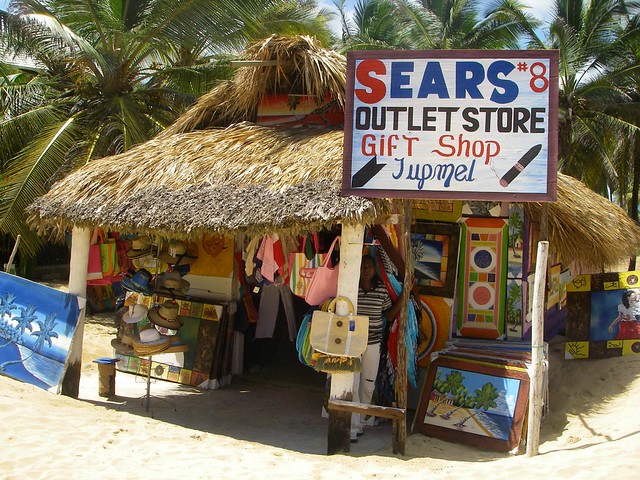
When you think of the Dominican Republic, the beaches of Punta Cana, all-inclusive hotels, and those vacations where you can spend a whole week without worrying about a thing probably come to mind. And the truth is, that kind of trip has its charm.
But beyond the big resorts, there are cities steeped in history, roads that wind through mountainous landscapes, and beaches without all the hustle and bustle.
Exploring the Dominican Republic on your own requires some planning, especially when it comes to transportation and accommodations. However, it also lets you experience the country at your own pace, change your plans whenever you feel like it, and discover places you might never have included in a conventional itinerary.
There’s More to the Dominican Republic Than Punta Cana
Punta Cana has become one of the great symbols of Dominican tourism. However, reducing the Dominican Republic to that region would mean having a rather limited view of the country.
Santo Domingo, for example, offers a completely different experience. In its Colonial Zone, you can stroll among historic buildings, small plazas, cafes, and streets that tell part of the Caribbean’s history.
If you prefer nature, Jarabacoa shows another side of the country. Here, the landscape changes: mountains and rivers come into view, and the climate is much cooler than in the coastal areas.
The Samaná Peninsula also deserves a spot on your itinerary. Its tropical landscapes, coastal towns, and beaches let you combine relaxing days with nature excursions.
In Las Terrenas, for example, you can enjoy the beach and then head out to find a restaurant or stroll through the town.
The interesting thing is that you don’t have to choose between a beach vacation and a cultural or nature trip. You can combine different experiences.
Traveling independently doesn’t mean avoiding all tourist spots either. It means having the freedom to decide which ones you want to visit and how much time you want to spend there.
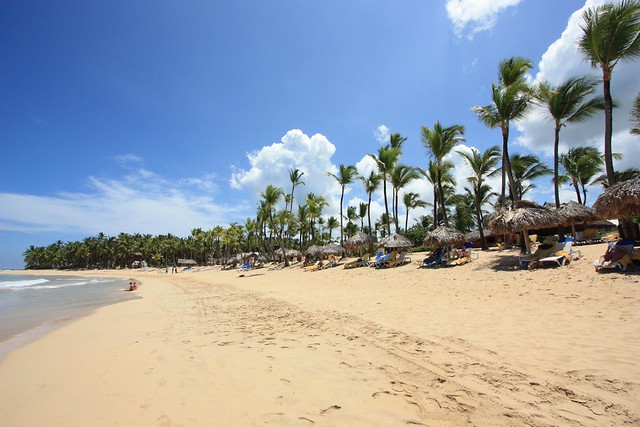
Getting Around Without Relying on Organized Tours
Intercity Buses and Local Transportation
Intercity buses can be a good option for traveling between certain cities.
Companies such as Caribe Tours and Metro Servicios Turísticos operate transportation services throughout the country, though it’s important to check the available routes and schedules for your travel dates.
You’ll also come across the well-known “guaguas,” a term used for various types of public transportation. Depending on the area, they can be an affordable way to get around, though the experience, schedules, and comfort levels vary considerably.
You won’t always find all the information you need in an app, so it’s best to remain flexible.
Planning Routes Without Overcomplicating the Trip
One of the most common mistakes when planning a self-guided trip is trying to include too many destinations.
The Dominican Republic may seem relatively small on the map, but constantly moving from one region to another can take up a significant portion of your vacation.
If you have a week, for example, it might be more enjoyable to combine Santo Domingo with the Samaná Peninsula than to try to visit Jarabacoa, Cabarete, and Punta Cana as well.
Organizing your itinerary by region will allow you to spend more time at each place and less time packing.
Where to Stay for a More Local Experience
If you’re not planning to rent a car, location should be one of your top priorities.
A beautiful place to stay can be impractical if you have to arrange transportation every time you want to go out to eat or get to the beach.
In Las Terrenas, for example, choosing an area where you can walk to restaurants and amenities can make your stay much easier.
Something similar applies in Santo Domingo. Staying in an area that suits the activities you plan to do can save you from unnecessary travel.
Before booking, check the map and see how far it is to walk. It’s also a good idea to ask the accommodation provider about getting around the area and what transportation options are available.
When you’re traveling independently, a good location can give you more freedom than a long list of amenities.

The Small Details That Make Independent Travel Easier
Maps, Reservations, and Staying Connected
Having access to maps and directions can make getting around much easier, especially when you’re visiting a city for the first time.
Before you travel, download maps so you can use them offline whenever possible, and save the addresses of your accommodations.
It’s also a good idea to take screenshots of your reservations and keep digital copies of important documents.
If you plan to travel between different regions, having mobile data can be useful for checking routes, contacting your next accommodation, or looking up information when plans change.
That’s why, before you leave, it’s a good idea to compare your options: use your carrier’s roaming service, buy a local SIM card, or consider an alternative like Holafly’s eSIM for the Dominican Republic, provided your phone is compatible and the plan fits your needs.
You don’t need to be connected every minute of your trip, but being able to look up an address when you’re in an unfamiliar place can save you a lot of time.
And even if you have mobile internet, it’s a good idea to keep essential information available offline. Coverage can vary by area, especially when you’re away from major urban centers.
Money, Payments, and Everyday Expenses
Another important detail is how you’ll pay during your trip.
At hotels and tourist-oriented establishments, it’s common to find card payment options, but some small businesses, markets, or local services may prefer cash.
That’s why it’s a good idea to bring a combination of payment methods.
It’s also advisable to have a rough idea of your daily expenses, especially if you’ll be spending money on restaurants, transportation, and excursions.
A Little Spanish Goes a Long Way
If Spanish isn’t your first language, learning a few basic phrases can help you get by with more confidence.
Asking how much something costs, asking for directions, or confirming where a bus departs from are fairly common situations when you’re traveling off the beaten path.
A friendly greeting, a little patience, and a willingness to ask questions usually make many interactions go more smoothly.
Discovering Dominican Culture Beyond the Tourist Areas
Food Is One of the Best Places to Start
Dominican cuisine is an excellent way to experience the local culture.
You can start your day by trying mangú, made with mashed green plantains and usually served with other ingredients.
For lunch, you’ll find dishes like the “Dominican flag,” which usually combines rice, beans, and meat. It’s also worth trying sancocho, a traditional stew, or tostones, made with fried green plantains.
And the best part? You can find great options at simple eateries, small restaurants, and spots frequented by locals.
Markets, Neighborhoods, and Everyday Life
Walking through different neighborhoods can show you a side of the country that doesn’t appear in tourist brochures.
In Santo Domingo, the Colonial Zone is a good place to start. Its historic streets, museums, plazas, and small businesses let you combine cultural visits with more relaxed moments.
You can also check out local markets and shops, always respecting the routines of those who work there.
All you need to do is set aside a morning to walk around, pop into a café, or stop in a plaza.
Just be sure to research the areas you’ll be visiting and check local safety recommendations.
Travel Respectfully, Not Just Independently
Traveling independently also means being mindful of how you interact with your surroundings.
Respect local customs and remember that markets, streets, and towns are places where people live and work—not staged settings for visitors.
Whenever possible, consider shopping at small businesses, hiring local guides for activities that require them, and choosing services that treat their workers and the environment responsibly. And even if only a little, try to understand the lives of the people who live there.
The Dominican Republic Is Worth Exploring Beyond the Resort
Punta Cana can be a great introduction to the Dominican Republic, but the country has so much more to offer.
Among the streets of Santo Domingo, the mountains of Jarabacoa, and the coastal towns of Samaná, you’ll find experiences that are hard to fit into a vacation limited to a resort.
Traveling on your own requires some planning, but it also lets you discover places at your own pace and stay wherever you really want to.
===================================================